

A Practical Guide to Mental Health Medication Options and Risks
A Practical Guide to Mental Health Medication Options and Risks
A Practical Guide to Mental Health Medication Options and Risks
Primary Classes of Mental Health Medication and Their Uses
Finding the right clinical fit begins with understanding the distinct categories of pharmacological treatments. Mental health conditions arise from complex biological, psychological, and environmental interactions. Medications act on specific neurotransmitter pathways—such as serotonin, dopamine, norepinephrine, and gamma-aminobutyric acid (GABA)—to help restore balance and reduce distress.
Because individual biology varies significantly, understanding why your psychiatry provider chose that medication helps demystify the treatment plan and sets clear expectations for recovery.
| Medication Class | Primary Indications | Common Examples | Typical Onset Window | Primary Clinical Considerations |
|---|---|---|---|---|
| SSRIs & SNRIs | Major Depression, Anxiety Disorders, OCD, PTSD, PMDD | Escitalopram, Sertraline, Fluoxetine, Duloxetine | 4 to 8 weeks (early sleep/energy changes in 1–2 weeks) | Boxed warning for youth under 25; gradual tapering required |
| Mood Stabilizers | Bipolar I & II, Acute Mania, Rapid Cycling | Lithium, Divalproex, Lamotrigine, Carbamazepine | 1 to 3 weeks | Requires regular therapeutic blood-level and organ monitoring |
| Atypical Antipsychotics | Schizophrenia, Bipolar Disorder, Adjunctive MDD | Aripiprazole, Brexpiprazole, Quetiapine, Clozapine | Several weeks to months | Metabolic checks (glucose, lipids, weight); movement monitoring |
| Anxiolytics (Non-Benzo) | Generalized Anxiety Disorder | Buspirone | 3 to 4 weeks | Non-habit forming; taken consistently every day |
| Benzodiazepines | Acute Panic, Severe Short-Term Anxiety | Lorazepam, Diazepam, Clonazepam, Alprazolam | 30 to 60 minutes | High risk of physical tolerance and dependence; short-term use |
| Stimulants | ADHD, Narcolepsy | Methylphenidate, Amphetamine salts | Within hours | Schedule II controlled substances; blood pressure and cardiac monitoring |
| Novel Glutamatergic Agents | Treatment-Resistant Depression (TRD) | Esketamine nasal spray | Within hours to days | In-clinic administration only; requires monitoring for dissociation |
Antidepressants, Mood Stabilizers, and Emerging Therapies
Antidepressants are the cornerstone of treatment for depressive and anxiety spectrum disorders. The most common classes include Selective Serotonin Reuptake Inhibitors (SSRIs), Serotonin-Norepinephrine Reuptake Inhibitors (SNRIs), and Norepinephrine-Dopamine Reuptake Inhibitors (NDRIs). Understanding the difference between SSRIs vs SNRIs can help you evaluate how targeting serotonin alone differs from engaging both serotonin and norepinephrine to improve energy and focus.
Commonly prescribed SSRIs include:
- Escitalopram: Indicated for Major Depressive Disorder (MDD) in adults and adolescents aged 12 to 17, as well as Generalized Anxiety Disorder (GAD). See the DailyMed prescribing information for escitalopram for full clinical parameters.
- Sertraline: Approved for MDD, Obsessive-Compulsive Disorder (OCD), Panic Disorder, PTSD, Social Anxiety Disorder, and Premenstrual Dysphoric Disorder (PMDD), as detailed in the DailyMed drug label for sertraline hydrochloride.
- Fluoxetine: Used for MDD, OCD, Panic Disorder, and Bulimia Nervosa, with complete details available in the DailyMed prescribing overview for fluoxetine.
Mood stabilizers serve a different biological purpose: preventing the extreme shifts of mania and depression in bipolar disorder. Lithium remains the gold standard for reducing acute manic episodes and carries proven benefits for suicide risk reduction. For individuals experiencing rapid-cycling bipolar disorder or mixed episodes, anticonvulsants such as divalproex sodium, carbamazepine, and lamotrigine are often preferred.
For individuals who do not find relief after trying at least two standard antidepressant regimens, treatment-resistant depression (TRD) protocols may include esketamine. This FDA-approved nasal spray targets glutamate receptors rather than monoamines, providing rapid symptom reduction under clinical supervision.
Antipsychotics, Anxiolytics, and Stimulants
Antipsychotics treat schizophrenia, bipolar mania, and treatment-resistant mood conditions:
- First-generation antipsychotics (typical neuroleptics like haloperidol and chlorpromazine) primarily block dopamine D2 receptors. While effective, they carry an elevated risk of extrapyramidal symptoms and neurological movement disorders.
- Second-generation antipsychotics (atypicals) balance dopamine and serotonin modulation, significantly reducing motor side effects. Widely prescribed examples include:
- Aripiprazole: A partial dopamine agonist indicated for schizophrenia, Tourette’s disorder, and irritability in autism, as outlined in the DailyMed clinical monograph for aripiprazole.
- Brexpiprazole: Indicated for schizophrenia, adjunctive MDD treatment, and agitation associated with Alzheimer’s dementia, with complete details in the DailyMed prescribing details for brexpiprazole.
For acute anxiety, medications vary by timeline and risk profile. Benzodiazepines (such as diazepam, lorazepam, and clonazepam) act rapidly on GABA receptors. However, their potential for tolerance, physiological dependence, and cognitive changes makes them unsuitable for long-term frontline treatment. In contrast, buspirone offers a non-habit-forming maintenance approach for generalized anxiety when taken daily for 3 to 4 weeks. For situational phobias and performance anxiety, beta-blockers (such as propranolol) can manage physical symptoms like rapid heart rate and tremors.
For Attention-Deficit/Hyperactivity Disorder (ADHD), stimulant formulations (methylphenidate and amphetamine salts) enhance dopamine and norepinephrine transmission. Reviewing these facts about stimulant medications to clear common misconceptions can help clarify their safety profiles, clinical benefits, and evidence-based role across the lifespan.
Treatment Timelines and How Psychiatric Drugs Work in the Body
Psychiatric medications do not transform brain chemistry overnight. Instead, they trigger downstream adaptations in neural pathways, gene transcription, and neuroplasticity that take time to stabilize.
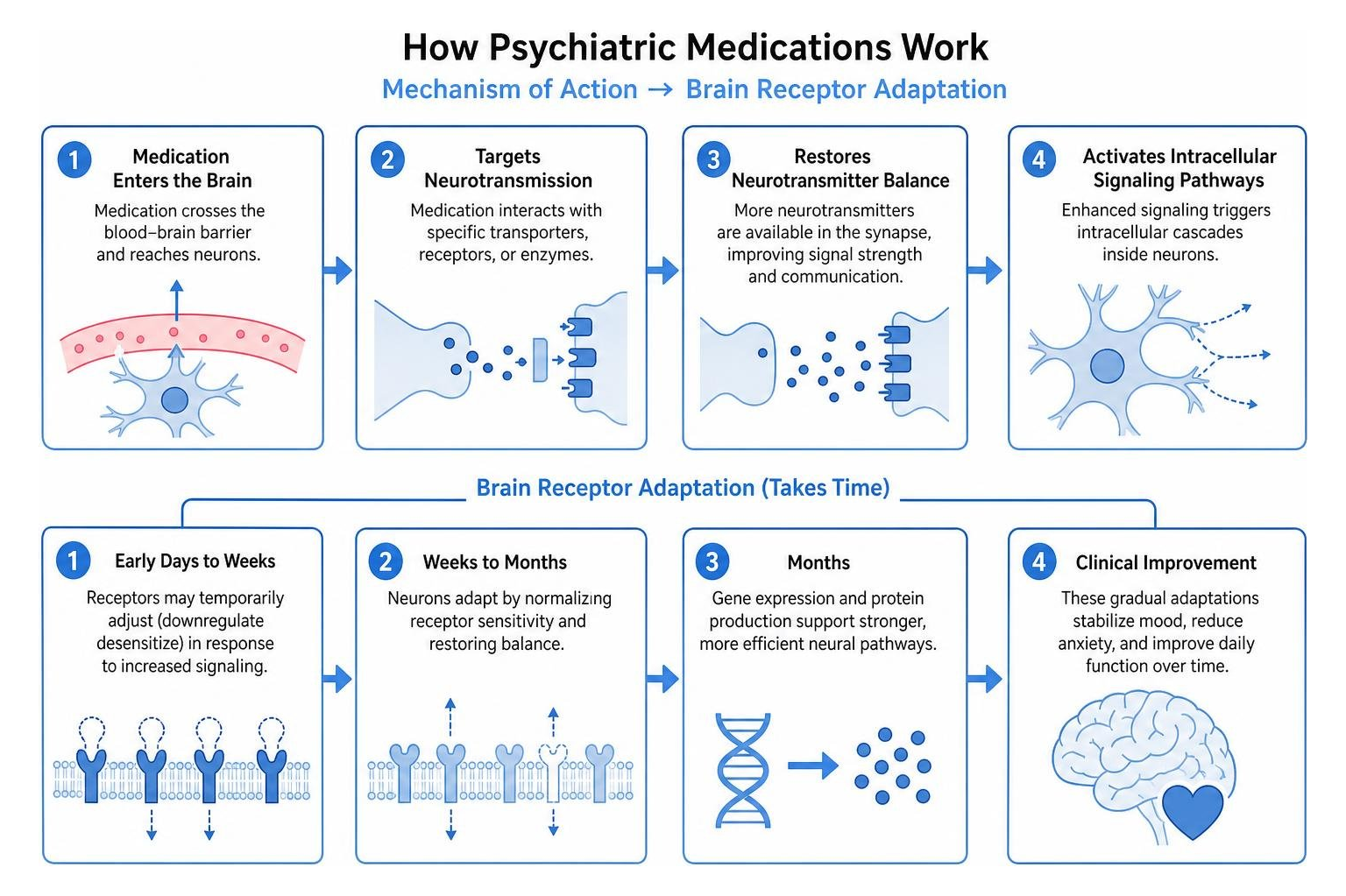
Understanding why psychiatric medications take time to work helps patients stay consistent during the early weeks of care, even before emotional improvements become apparent.
How Long Mental Health Medication Takes to Show Results
Onset timelines vary substantially depending on the drug class:
- Stimulants and fast-acting anxiolytics: Begin modulating target neurotransmitters within 30 to 120 minutes of ingestion.
- Antidepressants: While initial biological activity occurs quickly, sustained clinical improvement in mood typically requires 4 to 8 weeks of continuous daily administration.
- Antipsychotics: May provide early calming effects within days, but the full resolution of cognitive distortions, delusions, and thought disorganization often takes 6 weeks to several months.
What to Expect During the Initial Adjustment Period
Physical and somatic changes almost always precede emotional recovery. During the first one to three weeks of antidepressant or mood stabilizer therapy, patients commonly notice improvements in:
- Sleep continuity and architecture
- Appetite and digestive regularity
- Physical energy and baseline stamina
- Concentration and task completion
Mood lifting and the reduction of negative thinking patterns typically emerge in weeks four through eight. Because the brain requires time to adjust to chemical changes, learning why mental health medication adjustments can be part of the process helps normalize early dosage adjustments and medication optimization.
Understanding Side Effects, Boxed Warnings, and Interaction Risks
Like all medical treatments, psychiatric medications carry potential side effects. Most initial side effects—such as mild nausea, dry mouth, loose stools, or transient daytime drowsiness—are temporary and fade within the first two weeks as the body adjusts.
Other effects require proactive, ongoing management:
- Metabolic shifts: Certain atypical antipsychotics can increase appetite, blood glucose levels, and lipid panels, requiring baseline lab testing and regular metabolic monitoring.
- Sexual dysfunction: Reduced libido, delayed ejaculation, or anorgasmia can occur with SSRIs and SNRIs; prescribers can adjust dosages or add adjunctive agents to resolve these symptoms.
- Neurological symptoms: Antipsychotics carry risks of extrapyramidal symptoms, akathisia (internal motor restlessness), and, with prolonged exposure, Tardive Dyskinesia (involuntary facial and limb movements).
- Neuroleptic Malignant Syndrome (NMS): A rare, life-threatening emergency marked by high fever, severe muscle rigidity, altered mental status, and autonomic instability requiring immediate emergency medical care.
Black Box Warnings and Suicidality Surveillance in Younger Patients
The FDA mandates a boxed warning on all antidepressant medications regarding an increased risk of suicidal thoughts and behaviors in children, adolescents, and young adults under 25 during short-term clinical trials.
Pooled analyses of clinical trial data demonstrate the following age-related differences:
- Under 18 years: An estimated 14 additional cases of suicidal ideation per 1,000 patients treated compared to placebo.
- Ages 18 to 24: An estimated 5 additional cases per 1,000 patients treated compared to placebo.
- Ages 25 to 64: A protective effect, showing 1 fewer case per 1,000 patients treated compared to placebo.
- Ages 65 and older: A pronounced protective effect, showing 6 fewer cases per 1,000 patients treated compared to placebo.
Because energy often improves before mood lifts, younger patients require close monitoring during the first several weeks of treatment and after dosage adjustments.
Additionally, all antipsychotic medications carry a boxed warning against use for dementia-related psychosis in elderly individuals due to an elevated risk of stroke and cerebrovascular mortality.
Discontinuation Syndrome, Serotonin Syndrome, and Dangerous Drug Interactions
Stopping psychiatric medications abruptly can lead to severe discontinuation syndrome. With SSRIs and SNRIs, sudden cessation frequently triggers dizzy spells, flu-like symptoms, irritability, intense rebound anxiety, and vivid paresthesias (“electric shock sensations” or brain zaps). Learning if you can you stop taking antidepressants helps to shed light on the importance of working with a clinician to establish a slow, gradual taper.
Another critical risk is Serotonin Syndrome, a potentially life-threatening condition caused by excessive serotonergic accumulation. Symptoms include:
- Shivering, tremors, and hyperreflexia
- Muscle rigidity and fever
- Profuse sweating and dilated pupils
- Agitation, confusion, and rapid heart rate
Understanding why medication instructions and drug interactions matter is vital. Combining antidepressants with migraine triptans, cough suppressants containing dextromethorphan, or herbal supplements like St. John’s wort significantly increases serotonin syndrome risk.
Furthermore, switching between Monoamine Oxidase Inhibitors (MAOIs) and other antidepressants requires a strict 14-day washout period (and at least 5 weeks when discontinuing fluoxetine due to its prolonged half-life) to prevent toxic interactions.
Best Practices for Safe Administration and Daily Adherence
Safe, successful psychiatric treatment relies on collaborative partnership and open communication. Ongoing psychiatric medication management at KindMind Behavioral Health ensures that your prescriptions are closely evaluated, refined, and monitored to support your recovery.

Safe Daily Habits for Taking Mental Health Medication
Establishing consistent daily routines helps maintain steady therapeutic blood levels and prevents missed doses:
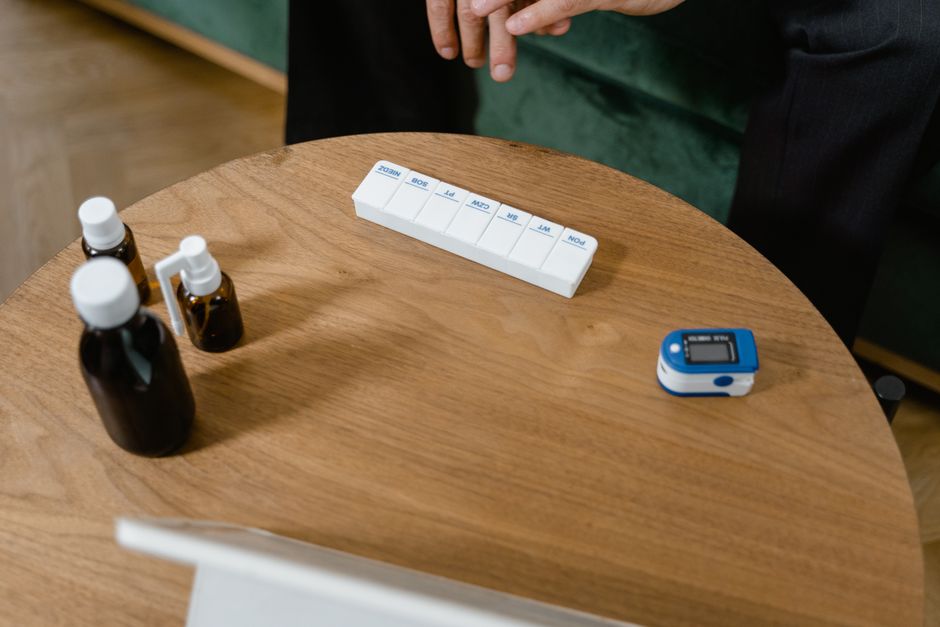
- Use visual organizers: Sort daily prescriptions into a labeled 7-day pill organizer indicating morning, afternoon, and evening doses.
- Leverage technology: Set automated daily phone alarms, smart-speaker notifications, or medication tracking apps.
- Anchor to existing habits: Take your daily dose alongside an established routine, such as brushing your teeth or eating breakfast.
- Follow missed dose guidelines: If you miss a dose, take it as soon as you remember—unless it is almost time for your next scheduled dose. Never take a double dose to make up for a missed tablet.
- Avoid alcohol and unapproved substances: Alcohol acts as a central nervous system depressant and can amplify sedation, worsen underlying depression, and interact dangerously with psychiatric prescriptions.
Routine Medical Monitoring and Reporting Adverse Reactions
Certain psychiatric medications require routine laboratory monitoring to ensure safety and therapeutic efficacy:
- Lithium: Requires regular blood draws to monitor serum concentrations (preventing toxicity), along with baseline and periodic checks of kidney (BUN/creatinine) and thyroid function.
- Clozapine: Requires mandatory regular absolute neutrophil count (ANC) blood tests because of a 1% to 2% risk of severe agranulocytosis.
- Second-Generation Antipsychotics: Require baseline and ongoing checks of fasting blood glucose, lipid profiles, and body weight.
- Anticonvulsants (Valproate/Carbamazepine): Require monitoring of complete blood counts, therapeutic drug levels, and liver enzymes.
As outlined in “Medication Management Is More Than a Refill“, these checks allow your clinician to protect your physical health while managing your mental well-being. If you experience unexpected or severe side effects, notify your healthcare provider and report them directly to the FDA MedWatch Program online or by phone at 1-800-FDA-1088.
Frequently Asked Questions About Psychiatric Prescriptions
Can psychiatric medications cure mental health conditions?
Psychiatric medications do not cure mental health disorders; rather, they regulate underlying neurobiology to alleviate symptoms, restore functional capacity, and promote long-term remission. For the most durable outcomes, combining mental health therapy skills with medication treatment creates synergy. Medication helps stabilize acute biological distress, creating the emotional space needed to develop coping skills, process trauma, and implement behavioral changes in therapy.
What should I do if I miss a dose or want to stop taking my medication?
If you miss a dose, check the specific guidance provided with your prescription. Generally, take the missed dose as soon as you recall, unless it is close to your next scheduled administration. Do not double up on doses. If you wish to stop taking your medication—whether due to side effects or feeling fully recovered—consult your psychiatric provider first. A clinician can design a personalized tapering schedule that protects you from withdrawal effects and prevents symptom relapse.
What is the difference between older and newer antipsychotics?
First-generation (typical) antipsychotics, developed in the mid-20th century, work primarily through potent dopamine D2 receptor antagonism. While effective for hallucinations and delusions, they carry higher risks of motor-related side effects, including muscle stiffness, tremors, and tardive dyskinesia. Second-generation (atypical) antipsychotics modulate both dopamine and serotonin pathways, offering broader symptom relief with a significantly lower risk of motor side effects, though they require routine monitoring for metabolic changes.
Conclusion
Navigating psychiatric treatment is a collaborative journey that combines clinical science with compassionate care. Finding the right medication, optimizing dosages, and monitoring progress takes time, patience, and expert medical guidance.
At KindMind Behavioral Health, we believe the most effective psychiatric care occurs within a patient-centered model that integrates medication management with individual, couples, and family therapy. By overcoming the mental health medication stigma and engaging in proactive, evidence-based care, you can make informed decisions and take confident steps toward long-term recovery and well-being.
The information in this article is for educational purposes only and is not intended as medical or mental health advice. Individuals should consult a licensed healthcare professional regarding their specific health needs.