

A Comprehensive Guide to Effective Therapy for Depression
A Comprehensive Guide to Effective Therapy for Depression
A Comprehensive Guide to Effective Therapy for Depression
Finding Therapy for Depression That Fits Your Needs
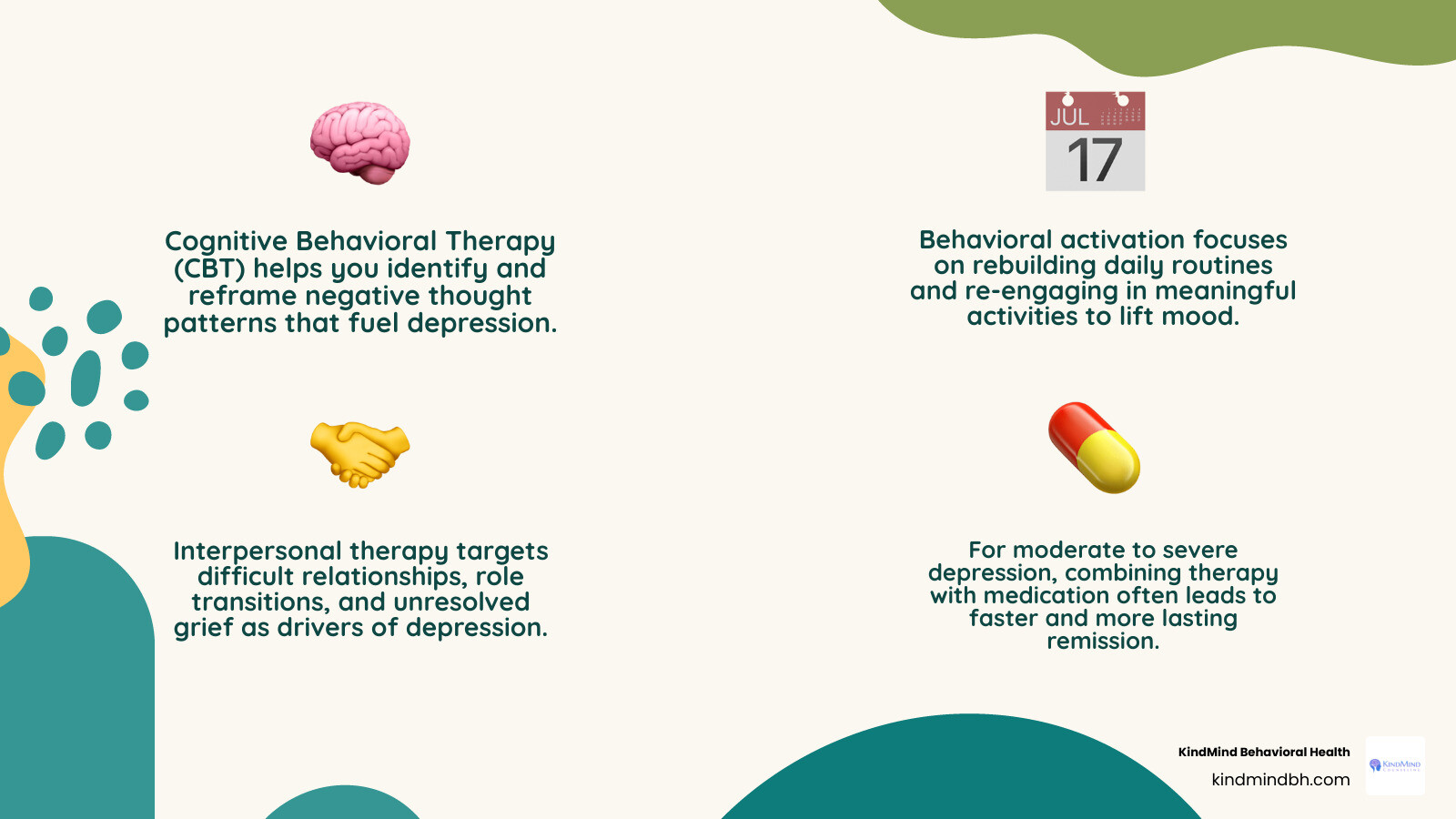
Therapy for depression often starts with cognitive behavioral therapy (CBT), behavioral activation, or interpersonal therapy. These approaches help people change unhelpful patterns, rebuild daily routines, and work through difficult relationships or life changes. For moderate or severe depression, a clinician may suggest adding medication. The right choice depends on your symptoms, safety, preferences, and what care you can access.
You do not have to figure it out alone. At KindMind Behavioral Health, we help people explore their options and build a plan they can stick with. We accept most major commercial and non-commercial insurance plans.
A simple guide to therapy for depression terminology:
- anxiety and depression treatment centers
- local depression outpatient treatment centers nearby
- DBT therapy for depression
Understanding Depression Types and Diagnostic Severity
Depression is not a one-size-fits-all experience. It can show up in different ways, ranging from a quiet fog that makes everyday tasks feel heavy to an overwhelming exhaustion that brings life to a standstill. Understanding the specific type and severity of depressive symptoms is the foundation of effective care.
Major depressive disorder involves persistent low mood, loss of interest in activities, changes in sleep or appetite, low energy, and feelings of worthlessness lasting at least two weeks. Persistent depressive disorder, sometimes called dysthymia, involves a chronic low mood lasting two years or longer. Other presentations include postpartum or peripartum depression, which occurs during pregnancy or after childbirth, and seasonal affective disorder, where shifts in daylight trigger depressive episodes.
The level of functional impairment, meaning how much symptoms interfere with work, relationships, and basic daily self-care, guides clinicians in matching you with the appropriate support. Understanding the different levels of mental health care helps clarify when routine outpatient visits, intensive programs, or medical interventions are most appropriate. Clinical resources like the UpToDate clinical management of unipolar major depression emphasize that treatment choices should always align directly with symptom severity and personal history.
Assessing Severity with Clinical Rating Tools
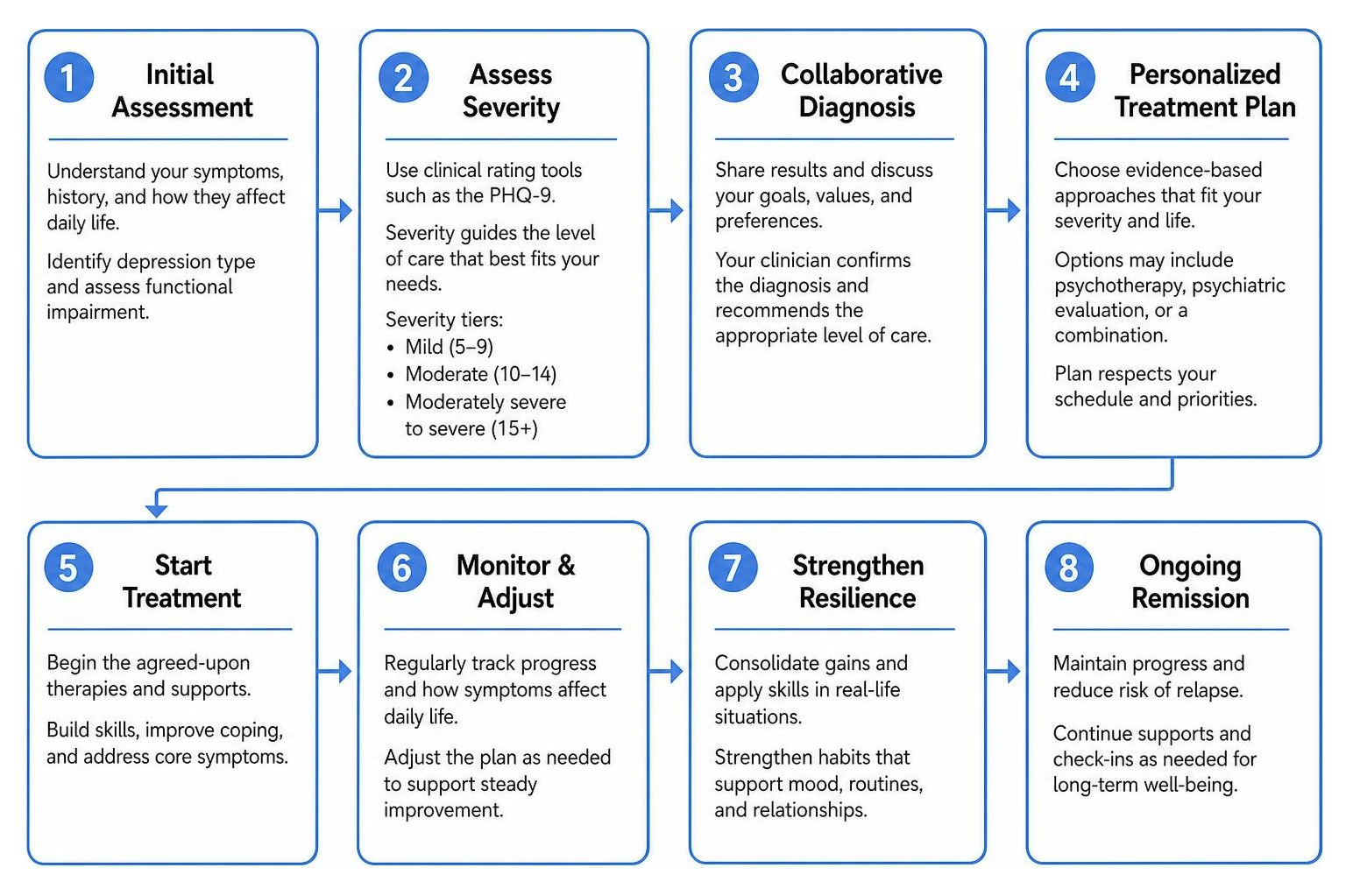
To understand where you are starting, clinicians often use standardized screening tools such as the Patient Health Questionnaire (PHQ-9). This short questionnaire asks about mood, energy, concentration, sleep, appetite, and thoughts of self-harm over the preceding two weeks.
Scores on the PHQ-9 generally fall into distinct severity tiers:
- Mild depression (scores 5 to 9): Symptoms are noticeable and uncomfortable, but you can usually maintain daily responsibilities.
- Moderate depression (scores 10 to 14): Symptoms begin to interfere noticeably with work, home routines, or social connection.
- Moderately severe to severe depression (scores 15 and above): Severe distress and significant functional impairment make daily living difficult.
Many people mask their struggles behind professional success or family responsibilities. Recognizing high-functioning mental health conditions explains how someone can appear fine on the outside while experiencing profound internal distress.
If you or someone you know is experiencing thoughts of suicide, self-harm, or an acute mental health crisis, please know that help is available right now. This content is not a substitute for emergency care. You can call or text 988 to reach the Suicide & Crisis Lifeline, or visit your nearest emergency room for immediate support.
How Diagnosis Informs Your Therapy for Depression
An accurate clinical assessment shapes your treatment roadmap through shared decision-making. In mild cases, active surveillance, lifestyle adjustments, and short-term psychotherapy are often effective starting points. For moderate to severe depression, clinical frameworks such as the NICE guideline on depression treatment and management recommend structured psychotherapy, psychiatric evaluation, or a combination of both.
Collaborative care ensures your voice remains central. Your clinician works with you to choose evidence-based treatments that respect your schedule, values, and past experiences.
Evidence-Based Modalities of Therapy for Depression
Psychotherapy is a cornerstone of recovery. Research syntheses, including the JAMA review on adult depression management, show that evidence-based psychotherapies provide substantial symptom relief and build skills that protect against future relapse. If you are new to the process, exploring “A Beginner’s Guide to Psychotherapy” can demystify what happens during sessions.

Cognitive Behavioral Therapy and Behavioral Activation
Cognitive Behavioral Therapy (CBT) is one of the most widely researched talk therapies for depression. It operates on the idea that our thoughts, emotions, and behaviors are deeply interconnected. When depression takes hold, it often creates automatic negative thoughts, such as “Nothing I do matters” or “I always fail.” CBT helps you identify these distorted thinking patterns, evaluate them objectively, and practice cognitive reframing to develop balanced perspectives.
Behavioral activation, a core element of CBT, focuses directly on actions. Depression tends to make people withdraw from activities they once enjoyed, creating an isolating feedback loop. Behavioral activation involves scheduling achievable, rewarding activities that gradually rebuild energy, positive reinforcement, and a sense of mastery.
Therapy often includes between-session exercises to practice new habits in real life. When beginning this work, understanding initial emotional responses in therapy helps set realistic expectations, as discussing challenging topics can sometimes feel emotionally demanding before relief settles in.
Interpersonal Therapy and Mindfulness-Based Approaches
Interpersonal Psychotherapy (IPT) focuses on the social and relational contexts of depression. It addresses four primary areas: unresolved grief, role transitions (such as a career shift or divorce), interpersonal role disputes, and interpersonal deficits. By improving communication and strengthening your support network, IPT helps resolve relational stressors that contribute to low mood.
Mindfulness-Based Cognitive Therapy (MBCT) blends traditional cognitive strategies with mindfulness meditation practices. It teaches you to observe distressing thoughts and sensations with curiosity rather than getting caught in ruminative spirals. Studies show MBCT significantly lowers relapse rates for individuals with recurrent depressive episodes.
Learning about the benefits of therapy for everyday challenges can help you see how these approaches support emotional resilience across all areas of life.
| Psychotherapy Modality | Core Mechanism | Typical Structure | Primary Clinical Fit |
|---|---|---|---|
| Cognitive Behavioral Therapy (CBT) | Reframing negative thoughts; behavioral activation | 8 to 16 structured, goal-oriented sessions | Mild to severe depression; anxiety comorbidity |
| Interpersonal Therapy (IPT) | Resolving relational conflict and navigating role changes | 12 to 16 focused sessions | Depression tied to grief, life transitions, or relationship stress |
| Mindfulness-Based Cognitive Therapy (MBCT) | Mindfulness practices to interrupt negative thought cycles | 8-week structured group or individual program | Recurrent depression; relapse prevention |
| Behavioral Activation (BA) | Re-engaging with values-based, positive reinforcement activities | 10 to 16 action-focused sessions | Moderate to severe depression with withdrawal and low motivation |
Antidepressant Medications and Dual-Action Synergy
While talk therapy builds long-term coping mechanisms, psychiatric medications can provide essential biological support. Antidepressants help balance neurotransmitter systems in the brain that influence mood, sleep, appetite, and emotional regulation. Resources such as the Mayo Clinic depression diagnosis and treatment guide outline how finding the right medical support can lift the heavy physical weight of depression.
At KindMind Behavioral Health, our psychiatric team provides thoughtful psychiatric evaluations and ongoing medication management, collaborating closely with your therapist to ensure your physical and emotional care work together seamlessly.
Common Medication Classes and Mechanism of Action
Antidepressant medications belong to several distinct classes:
- Selective Serotonin Reuptake Inhibitors (SSRIs): Often considered a first-line pharmacologic option, these medications increase the availability of serotonin in brain synapses, supporting improved emotional stability.
- Serotonin-Norepinephrine Reuptake Inhibitors (SNRIs): These agents influence both serotonin and norepinephrine, which can be helpful for individuals experiencing depression accompanied by chronic fatigue or physical pain.
- Atypical Antidepressants: Medications in this category work through distinct pathways, targeting dopamine or norepinephrine, and may be selected based on specific symptom profiles, such as low motivation or concerns about common side effects.
- Tricyclic Antidepressants (TCAs) and Monoamine Oxidase Inhibitors (MAOIs): Older classes of medications that are generally reserved for cases where newer options have not provided sufficient relief.
As detailed in the NHS Adult Depression Treatment Overview, all antidepressant treatments require professional medical supervision. Starting or stopping medication should always involve gradual, clinician-guided adjustments to ensure safety and comfort.
Combining Medication with Structured Therapy for Depression
For many individuals, particularly those navigating moderate to severe depression, combining psychiatric medication management with individual psychotherapy produces the strongest and most durable results. A comprehensive Lancet network meta-analysis of depression treatments found that combining psychotherapy with medication led to superior symptom reduction compared to either approach alone.
Medication can help reduce overwhelming physical symptoms, such as severe lethargy, disrupted sleep, and brain fog, making it easier to actively engage in therapy sessions. In turn, therapy equips you with lifelong cognitive tools and behavioral patterns that medication alone does not teach. Our guide on combining therapy skills with medication explains this dual approach in depth.
| Treatment Strategy | Key Advantages | Potential Limitations | Best Suited For |
|---|---|---|---|
| Psychotherapy Alone | Builds lifelong coping skills; no medication side effects | Requires time, mental energy, and active weekly practice | Mild to moderate depression; patient preference |
| Medication Alone | Relieves biological and physical symptoms | Does not teach behavioral coping tools; potential side effects | Moderate to severe depression; limited access to therapy |
| Combination Care (Therapy + Psychiatry) | Synergistic relief; faster symptom reduction; lower relapse rates | Requires coordinating both therapy and psychiatric appointments | Moderate to severe depression; chronic or recurrent episodes |
Non-Pharmacologic Supports for Depression

Beyond formal therapy and medication, daily lifestyle routines and non-pharmacologic interventions play an important role in sustaining recovery. When depression co-occurs with other conditions, exploring integrated care for co-occurring anxiety and depression can help address overlapping challenges comprehensively.
Lifestyle Modifications and Physical Interventions
Small, consistent adjustments to daily routines provide meaningful support for mental health:
- Physical Activity: Regular cardiovascular movement, walking, or yoga stimulates endorphins, neuroplasticity, and brain-derived neurotrophic factor (BDNF), helping improve mood and energy levels.
- Sleep Hygiene: Keeping consistent wake and sleep times helps restore disrupted circadian rhythms, which are closely linked to mood stability.
- Nutrition and Hydration: Balanced meals that stabilize blood sugar can reduce afternoon fatigue and mood fluctuations.
- Substance Moderation: Reducing alcohol and recreational substance use is essential, as alcohol is a central nervous system depressant that disrupts deep sleep and can worsen mood swings.
- Social Connection: Staying in contact with supportive friends, family, or community groups counteracts the isolating tendencies of depression.
When to Seek Specialist Care for Treatment-Resistant Depression
If you have tried multiple evidence-based therapies and medications without significant improvement, you may be experiencing treatment-resistant depression. In these situations, a specialized psychiatric consultation is an important next step.
Specialist care may involve advanced medication combinations, augmentation strategies, or specialized interventions such as Transcranial Magnetic Stimulation (TMS) or Electroconvulsive Therapy (ECT). A psychiatric specialist can evaluate underlying factors, review past treatment responses, and design a customized path forward. At KindMind Behavioral Health, our psychiatric team can help you understand whether a higher level of care or a different treatment approach may be appropriate for your situation.
Frequently Asked Questions About Depression Care
How Long Does It Typically Take to Notice Improvement With Treatment?
Recovery from depression happens gradually rather than overnight. With psychotherapy, many people begin noticing subtle shifts in perspective, emotional validation, and small behavioral changes within 4 to 8 weeks of consistent sessions. With psychiatric medications, early improvements in sleep, appetite, or energy levels often emerge within 2 to 4 weeks, while full therapeutic benefits for mood and cognition generally take 6 to 8 weeks.
Tracking small wins along the way is encouraging. Our resource on what progress looks like during mental health recovery highlights the quiet, meaningful milestones of healing.
What Should I Do If My First Treatment Choice Does Not Work?
It is common for an initial therapy modality or medication not to produce full relief. If you do not notice progress after an adequate trial, discuss this openly with your provider. Your clinician can adjust therapy goals, try a different therapeutic modality, alter a medication dose, switch to an alternative medication class, or add an augmenting strategy.
The therapeutic relationship is also central to your success. Reviewing our guide to finding the right fit with a therapist or prescriber can help you assess whether your current care team matches your personal communication style and goals.
Can Depression Treatments Be Safely Combined With Other Medications?
Yes, depression treatments can generally be coordinated safely alongside medications for other medical conditions. However, full transparency is essential. Your psychiatric provider will review your medical history, current prescriptions, over-the-counter supplements, and general health to prevent potential drug interactions and ensure safe liver metabolism.
Learning more about flexible outpatient depression treatment can help you understand how outpatient mental health teams coordinate with primary care providers to keep your care safe and cohesive.
Conclusion
Depression is a treatable condition, and sustained recovery is an achievable goal. With the right combination of evidence-based psychotherapy, thoughtful psychiatric medication management, and supportive lifestyle habits, it is possible to regain your energy, joy, and sense of purpose.
At KindMind Behavioral Health, we provide compassionate, integrated mental health care tailored to your unique needs. Whether you prefer in-person appointments at our offices in Rochester, Clarkston, or Detroit, or the convenience of secure telehealth services across Oakland County and throughout Michigan, we are here to support you every step of the way.
We accept most major commercial and non-commercial insurance plans, including Aetna, ASR, Blue Care Network, Blue Cross Blue Shield, Blue Cross Complete, Cigna, Cofinity/Varipro, Health Alliance Plan (HAP), Humana, McLaren, Medicaid, Medicare, Meridian, Meritain, Priority Health, TRICARE East, and UnitedHealthcare/Optum.
Explore our comprehensive individual therapy services and psychiatric medication management protocols to take the next step. Book an appointment with KindMind Behavioral Health today to begin your personalized path toward healing.
The information in this article is for educational purposes only and is not intended as medical or mental health advice. Individuals should consult a licensed healthcare professional regarding their specific health needs.